Author Archives: Egg Syntax

Datamancer modernizes the steampunk laptop

[So very very lovely. -egg]
[Boing Boing]
Datamancer modernizes the steampunk laptop:

Datamancer has finally built an up-to-date laptop to go with his legendary steampunk keyboards. It looks like a Victorian music box, but runs like a kick-ass gamer laptop.


We are currently filling orders on the first small batch of laptops, but will be opening up another batch soon. Please subscribe to the out-of-stock notification below to be alerted as to their availability. This exquisitely handcrafted, limited edition laptop features a full-wood chassis, physically-engraved, lacquered brass keys, semi-precious gems that act as LED indicator lights, and a beautiful lid design with a gold foil map (other customizations available). It is the second revision of the ever-famous Datamancer Steampunk Laptop.

This laptop is made to be as functional as it is attractive, using an Asus gaming laptop at its heart with an Intel I7 2670QM processor, NVIDIA® GeForce® GT 555M graphics, 8 Gigs of DDR3 RAM, a glossy 17.3″ Full HD (1920×1080) screen, and a Super-multi DVD drive.

Datamancer Victorian Laptop


Obamacare and the future of work

This New Yorker article makes a pretty important point, I think — not only does Obamacare help people who are currently uninsured, it helps people make different life choices — all of a sudden it’s a lot easier to quit your job in order to be a starving artist or found a startup or spend a year doing volunteer work. And that’s good for everybody 🙂 -egg

You’ve got to sell your heart

[Note to self: will not be novelist. -egg]
You’ve got to sell your heart:

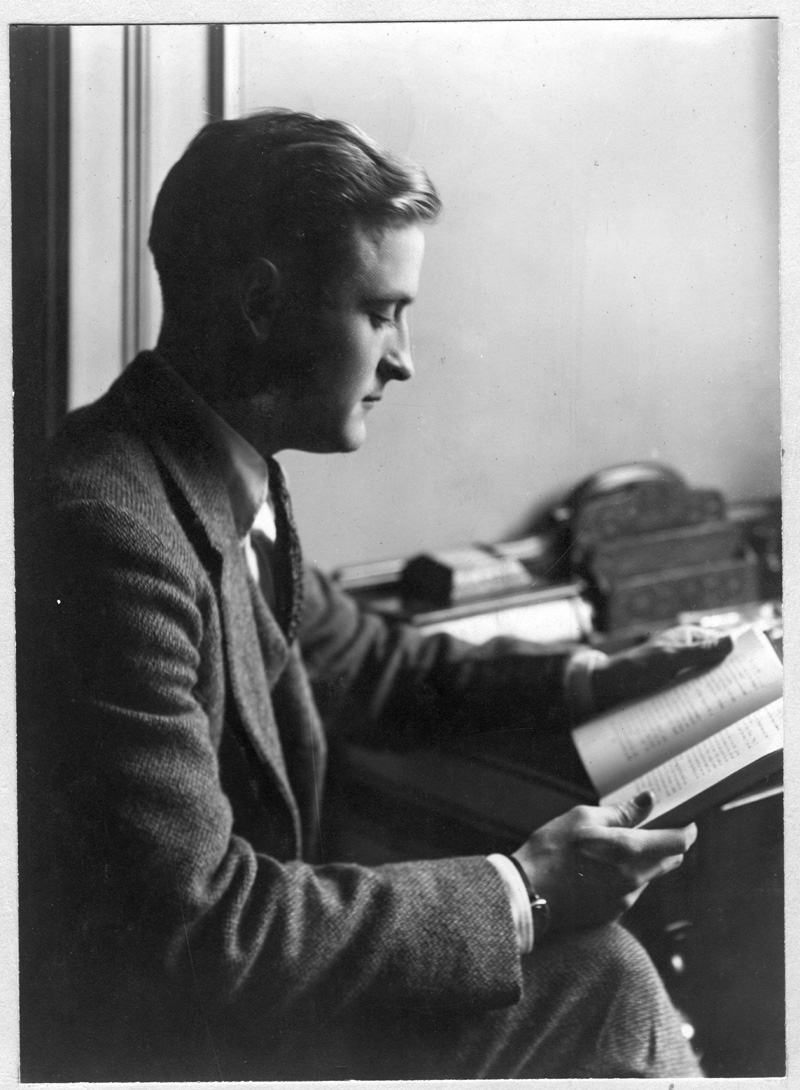
Late-1938, eager to gain some feedback on her work, aspiring young author and Radcliffe sophomore Frances Turnbull sent a copy of her latest story to celebrated novelist and friend of the family, F. Scott Fitzgerald. Before long the feedback arrived, in the form of the somewhat harsh but admirably honest reply seen below.

(Source: F. Scott Fitzgerald: A Life in Letters; Image: F. Scott Fitzgerald, via.)

November 9, 1938

Dear Frances:

I’ve read the story carefully and, Frances, I’m afraid the price for doing professional work is a good deal higher than you are prepared to pay at present. You’ve got to sell your heart, your strongest reactions, not the little minor things that only touch you lightly, the little experiences that you might tell at dinner. This is especially true when you begin to write, when you have not yet developed the tricks of interesting people on paper, when you have none of the technique which it takes time to learn. When, in short, you have only your emotions to sell.

This is the experience of all writers. It was necessary for Dickens to put into Oliver Twist the child’s passionate resentment at being abused and starved that had haunted his whole childhood. Ernest Hemingway’s first stories “In Our Time” went right down to the bottom of all that he had ever felt and known. In “This Side of Paradise” I wrote about a love affair that was still bleeding as fresh as the skin wound on a haemophile.

The amateur, seeing how the professional having learned all that he’ll ever learn about writing can take a trivial thing such as the most superficial reactions of three uncharacterized girls and make it witty and charming—the amateur thinks he or she can do the same. But the amateur can only realize his ability to transfer his emotions to another person by some such desperate and radical expedient as tearing your first tragic love story out of your heart and putting it on pages for people to see.

That, anyhow, is the price of admission. Whether you are prepared to pay it or, whether it coincides or conflicts with your attitude on what is “nice” is something for you to decide. But literature, even light literature, will accept nothing less from the neophyte. It is one of those professions that wants the “works.” You wouldn’t be interested in a soldier who was only a little brave.

In the light of this, it doesn’t seem worth while to analyze why this story isn’t saleable but I am too fond of you to kid you along about it, as one tends to do at my age. If you ever decide to tell your stories, no one would be more interested than,

Your old friend,

F. Scott Fitzgerald

P.S. I might say that the writing is smooth and agreeable and some of the pages very apt and charming. You have talent—which is the equivalent of a soldier having the right physical qualifications for entering West Point.


RSS Feed proudly sponsored by TinyLetter, a simple newsletter service for people with something to say.

Warning labels can act as nocebos

Warning labels can act as nocebos:
Remember the nocebo effect? It’s the flip side of placebos. Placebos can make people feel better or even relieve pain (to a certain extent). Nocebo happens when a placebo causes negative side-effects—nausea, racing heart, dizziness, etc. And here’s one more weird thing to add to this veritable bonfire of weirdness: When we tell people about the possible negative side-effects of a real drug, that might make them more likely to experience those side-effects.

In one study, 50 patients with chronic back pain were randomly divided into two groups before a leg flexion test. One group was informed that the test could lead to a slight increase in pain, while the other group was instructed that the test would have no effect. Guess which group reported more pain and was able to perform significantly fewer leg flexions?

Another example from the report: Patients undergoing chemotherapy for cancer treatment who expect these drugs to trigger intense nausea and vomiting suffer far more after receiving the drugs than patients who don’t.

And, like placebos and classic nocebos, this isn’t just “all in their head”—at least, not in the sense that they’re making it up or deluding themselves. There are measurable physical effects to this stuff.

As science writer Steve Silberman says in the article I’ve quoted from above, what we’re learning here is that the feedback we get from other people (“That might make you feel yucky” or “You look tired today”) has a physical effect on us. It’s a little insane. It’s also worth thinking about when we talk about medical ethics. Full disclosure of what treatments you’re getting and what the risks and benefits are is generally regarded as the ethically right way to practice medicine. And that’s probably correct. But how do you balance that with what we know about placebo/nocebo? What happens when transparency keeps you from using a harmless placebo as a treatment? What happens when transparency makes you more likely to experience negative health outcomes? It’s a strange, strange world and it’s not always easy to make the right ethical choices.

Read Steve Silberman’s full story on the nocebo effect